Understanding Legal Compliance in Business through the Lens of Ancient Egyptian Civilization
Category : | Sub Category : Posted on 2024-11-05 22:25:23
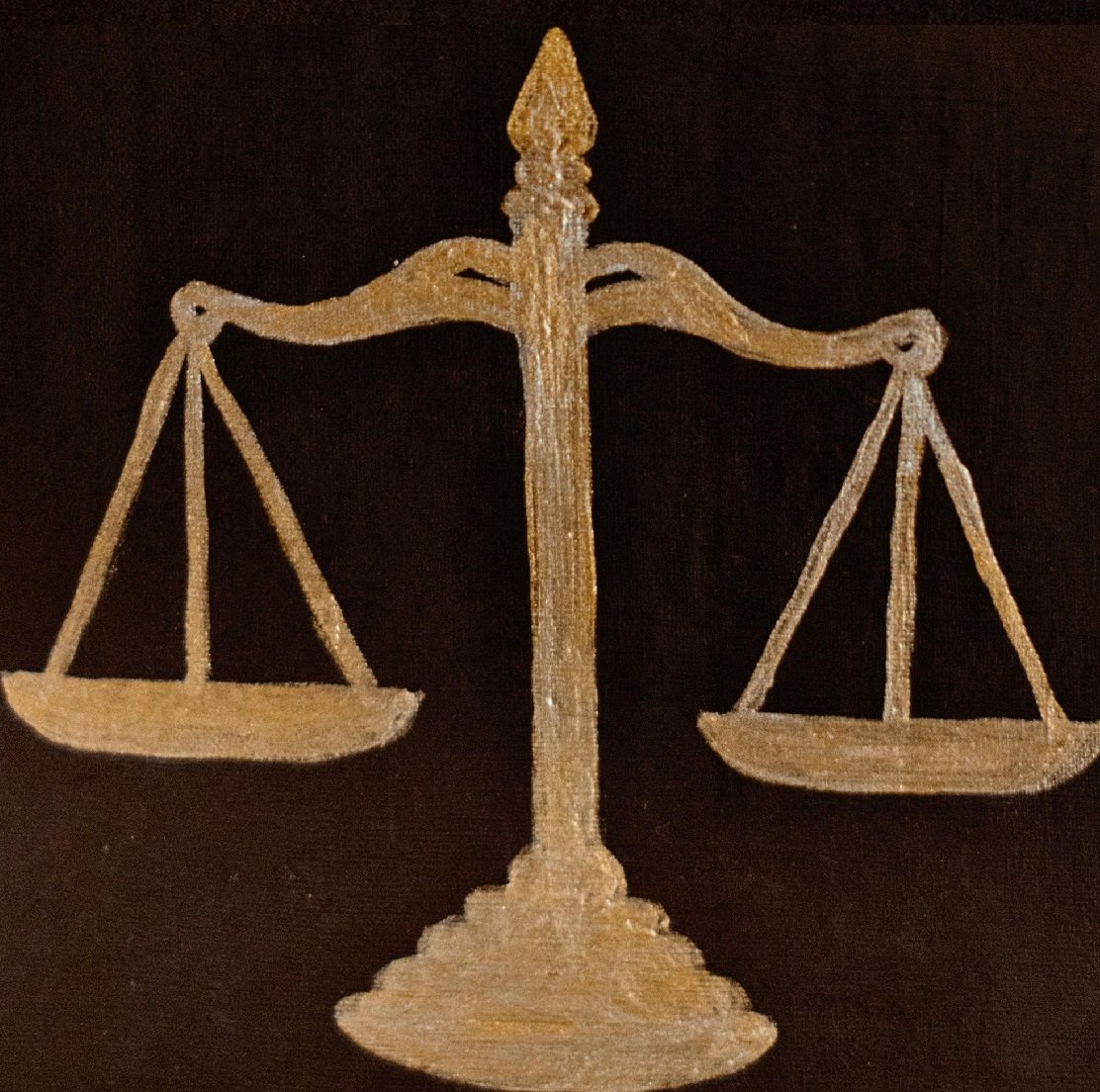
In the modern world, the concept of legal compliance in business is of utmost importance to ensure that companies operate within the confines of the law. Legal compliance refers to the process of adhering to regulations, laws, and standards relevant to a particular business operation. While the foundation of legal compliance as we know it today may seem like a contemporary development, when we delve into the history of ancient civilizations such as Egypt, we can draw parallels and gain insights into the significance of compliance in business practices. Ancient Egypt was a civilization known for its advanced legal system that regulated various aspects of life, including trade and commerce. The ancient Egyptians had a sophisticated understanding of laws and regulations, which were instrumental in maintaining order and ensuring fair business practices within their society. One of the key aspects of legal compliance in ancient Egypt was the concept of ma'at, which encompassed principles of truth, justice, and harmony. Ma'at guided not only personal ethics but also business dealings, emphasizing the importance of honesty, integrity, and fairness in trade. Failure to adhere to the principles of ma'at could result in legal consequences and societal repercussions. In the realm of business, ancient Egyptian merchants and traders were subject to a set of regulations that governed commercial transactions, such as contracts, agreements, and disputes. These regulations were enforced by authorities such as scribes, judges, and overseers who ensured that business practices were conducted ethically and in accordance with the law. One notable example of legal compliance in ancient Egypt is the Kahun Papyrus, a legal document dating back to the Middle Kingdom period. The Kahun Papyrus contains detailed provisions related to commercial transactions, debt repayment, and property rights, highlighting the meticulous record-keeping and regulatory oversight that characterized business practices in ancient Egypt. By examining the legal framework of ancient Egyptian civilization, we can appreciate the enduring importance of legal compliance in business. Just as the ancient Egyptians recognized the need for laws and regulations to govern economic activities, modern businesses must prioritize compliance to uphold ethical standards, mitigate risks, and foster trust with stakeholders. In conclusion, the legacy of ancient Egyptian civilization offers valuable lessons for contemporary businesses seeking to navigate the intricate landscape of legal compliance. By embracing the principles of ma'at and upholding the spirit of justice and integrity in their operations, companies can honor the legacy of ancient civilizations and build a foundation of trust and sustainability in the modern business world.
https://egyptwn.com
https://castigo.org
https://continuar.org
https://constructional.org
https://vollmacht.org
Leave a Comment:
SEARCH
Recent News
- When it comes to taxes, Zurich, Switzerland is known for offering numerous benefits to residents and businesses alike. This financial hub is often considered one of the most tax-friendly cities in the world, attracting individuals and companies looking to optimize their tax situation. In this blog post, we will explore some of the key tax benefits of living or doing business in Zurich, Switzerland.
- Zurich, Switzerland, is a popular destination for Russian expatriates looking to benefit from the city's high quality of life, economic stability, and well-developed infrastructure. However, relocating to Zurich from Russia means navigating the complexities of both Swiss and Russian taxation systems.
- Zurich, Switzerland is a vibrant city known for its strong economy and business-friendly environment. For Mexican businesses looking to expand into Zurich, understanding the taxation system is crucial to ensuring compliance and minimizing financial risks. In this blog post, we will explore key aspects of business taxation in Zurich, Switzerland for Mexican entrepreneurs.
- Navigating Medical Device Regulations in Zurich, Switzerland
- Zurich, Switzerland and Liechtenstein are two neighboring European countries with distinct regulatory frameworks governing various aspects of society. In this blog post, we will explore some key regulations in Zurich, Switzerland and Liechtenstein that shape the way of life and business in these two unique destinations.
- Zurich, Switzerland is known for its strong economy, stable political environment, and favorable tax system, making it an attractive location for investments. As an investor in Zurich, it is essential to understand how investment taxes are calculated to maximize your returns and comply with local regulations.
- Zurich, Switzerland: A Closer Look at Food Export-Import Regulations
- Zurich, Switzerland is renowned for its stunning landscapes, vibrant culture, and high quality of life. However, not many people are aware of the city's stringent food and drug regulations that contribute to the overall health and well-being of its residents and visitors.
READ MORE
6 months ago Category :

When it comes to taxes, Zurich, Switzerland is known for offering numerous benefits to residents and businesses alike. This financial hub is often considered one of the most tax-friendly cities in the world, attracting individuals and companies looking to optimize their tax situation. In this blog post, we will explore some of the key tax benefits of living or doing business in Zurich, Switzerland.
Read More →6 months ago Category :

Zurich, Switzerland, is a popular destination for Russian expatriates looking to benefit from the city's high quality of life, economic stability, and well-developed infrastructure. However, relocating to Zurich from Russia means navigating the complexities of both Swiss and Russian taxation systems.
Read More →6 months ago Category :

Zurich, Switzerland is a vibrant city known for its strong economy and business-friendly environment. For Mexican businesses looking to expand into Zurich, understanding the taxation system is crucial to ensuring compliance and minimizing financial risks. In this blog post, we will explore key aspects of business taxation in Zurich, Switzerland for Mexican entrepreneurs.
Read More →6 months ago Category :
